
Calculator
Workshop Amps Calculator
A one-person garage shop with a 3 HP 240V table saw, a 1-1/2 HP 120V dust collector, a few benchtop tools and a lighting circuit lands at about 38 A of demand and a 60 A subpanel; with two people running machines at once it is about 40 A, and still a 60 A subpanel. The calculator is the same method every plan page uses: NEC Table 430.248 full-load amps, 120V loads halved to 240V-equivalent, the largest load counted in full (a 240V load at twice its amps), the rest at a diversity factor, then the 125 percent rule, rounded up to 30, 60, 100 or 125 A with at least 60 A once there are five circuits. Have a licensed electrician confirm the service can carry it.
Workshop amps and subpanelUpdates as you type
About 38 A demand, ask about a 60 A subpanel
- Connected load (240V-equivalent)
- 42 A
- Largest single load (a 240V load counts at twice its amps)
- 34 A
- Diversity on everything else
- 50 percent
- Demand estimate
- 37.8 A
- With the 125 percent rule
- 47.2 A
- Circuits this load list needs
- 6 (five or more: sized for at least 60 A)
- Subpanel breaker size to ask about
- 60 A
- Feeder copper at that size (NEC 310.16, 60 C column)
- 4 AWG before any voltage-drop upsizing on a long run
This is the same method every plan and sizing page on this site uses. Sources, in plain text: NEC Table 430.248 for motor amps, NEC 430.22 for the 125 percent conductor rule, NEC Table 310.16 for ampacity. The diversity factor and the largest-load rule are conventions, not code values. Your service may not have this much spare capacity: have a licensed electrician confirm before you buy a panel.
Electrical basics to have on hand
Matched to this result.

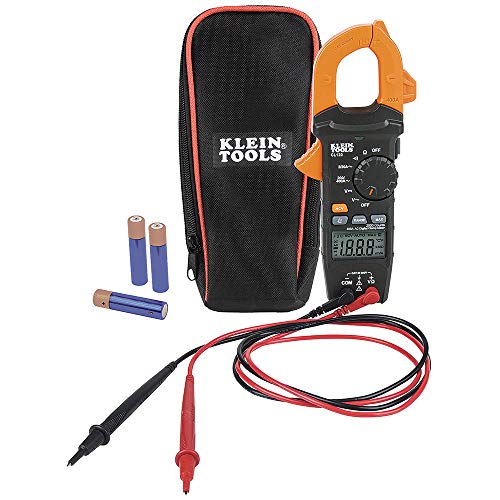
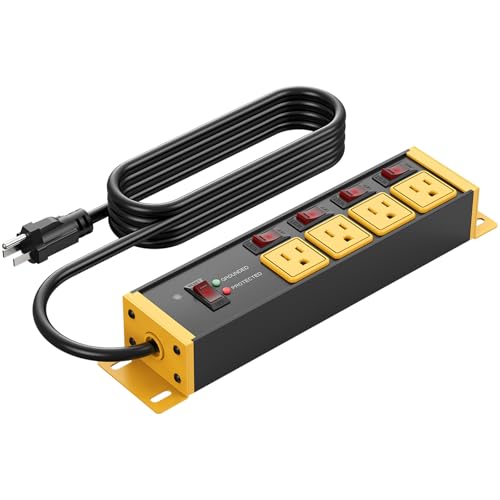
Prices change often; the button shows today's price on Amazon.
Both ways to buy: Amazon and direct from Grizzly
Each card shows an Amazon pick and a Grizzly Industrial pick for the same job, with one line on when to choose which.
3 HP cabinet table saw

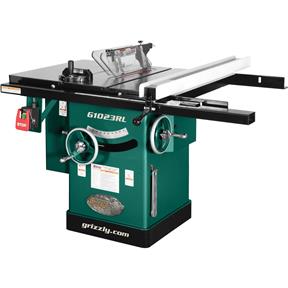
The 3 HP cabinet saw needs a 240V circuit. The Amazon pick is the nearest contractor-class alternative; check its listing for voltage, since the saving is only real if it runs on a circuit you already have.
3 HP cyclone collector (240V)
AmazonNo comparable Amazon item in our catalog
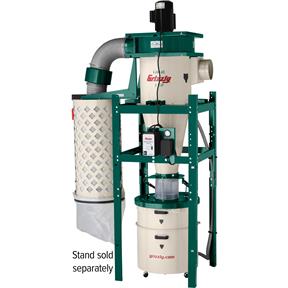
Nothing on Amazon in our catalog matches a 3 HP, 1654 CFM cyclone, so this one is Grizzly-direct only. It needs a 240V circuit and about 400 lb of freight.
Thickness planer

The Amazon pick is a benchtop 13 in planer on 120V; the Grizzly G1021Z is a 15 in, 3 HP planer on a cabinet stand and a bigger step up in floor space and circuit.
Prices change often and Grizzly runs sales, so the buttons show current prices.
How the demand is estimated
Each motor is converted to its NEC Table 430.248 full-load current. 120V loads are halved to put them on a 240V-equivalent basis, because a 120V load draws from one leg of the subpanel while a 240V load draws from both. The largest single load counts in full (a 240V load at twice its amps, a deliberately conservative stand-in for the largest-motor rule). Everything else counts at 50 percent for one operator or 75 percent for two, because a shop rarely runs a dust collector, a saw and a compressor at full draw simultaneously. The total then gets the 125 percent allowance for continuous loads and rounds up to 30, 60, 100 or 125 A, with at least 60 A once the load list needs five or more circuits. This is the same method the layout and sizing pages use, so a plan and the calculator agree. The diversity factors and the largest-load rule are conventions, not code values.
What a subpanel is for
A subpanel gives the garage its own breakers, so a table saw trip does not kill the freezer. Its size is limited by the main panel and the service, not by what you want: a 100 A subpanel on a 100 A service is not a plan. That is the electrician's job. Bring them the circuit list from the woodshop subpanel page or one of the other trades, and ask for a load calculation.
Get the garage shop planning checklist
One printable page: measure the bay, count the circuits, list the machines, check the floor. Plus a few short emails, then a couple a month at most.
Unsubscribe anytime. You can also just read the checklist on this site.More garage shop calculators
- Layout and what fits
- Space left with a car
- 240V circuit sizing
- 240V outlet install cost
- Voltage drop and cords
- Compressor CFM
- Dust collector and duct size
- Garage heater BTU
- Mini-split BTU
- Shop lighting
- Air filtration ACH
- Workbench height and depth
- Workbench size for a garage
- Mobile base sizing
- Shop budget planner
Sources
- NEC Table 430.248, single-phase motor full-load current
- NEC 430.22, conductor sized at 125 percent of motor full-load current
- NEC Table 310.16, conductor ampacity, copper, 60 C column
Frequently asked questions
Do I need a 100 A subpanel for a garage woodshop?
Most one-person garage woodshops land between 40 and 60 A of demand. A 60 A subpanel is a common answer; 100 A makes sense only with a welder, a large 240V heater or two people running machines at once.
Why are 120V loads halved?
A 240V subpanel has two hot legs. A 120V load uses one leg, so on a balanced panel two 120V loads together draw the same current from the feed as one 240V load of that amperage. Halving is the 240V-equivalent view.
Does this replace an electrician's load calculation?
No. It is a planning estimate to bring to a licensed electrician, who confirms the service capacity, panel space and local code.
This page is researched guidance, not professional electrical, engineering or safety advice. Circuits, loads and clearances depend on your house, your service and your town: have a licensed electrician confirm any wiring, and check local code and each manufacturer's manual before you act.
