
Calculator
Air Compressor CFM Calculator for a Garage Shop
A 1/2 in impact wrench plus a blow gun need about 2.4 CFM on average and 6.5 CFM at peak; a dual-action sander alone needs about 6 CFM continuously. Add a 30 percent margin and a 20 gallon, 120V compressor covers wrenches and nailers while sanding and spraying want a 60 gallon, 240V machine. Always check the tool rating plate: it overrides these typical figures.
Compressor CFMUpdates as you type
Plan on 2.1 CFM at 90 PSI: 6 to 20 gallon, 120V
- Average draw of your tool mix
- 1.6 CFM
- Peak draw if everything fires at once
- 6.5 CFM
- Required with 30 percent margin
- 2.1 CFM
- Rule-of-thumb motor size
- about 0.5 HP running (roughly 4 CFM per HP)
- Tank and voltage class
- 6 to 20 gallon, 120V
- Circuit if 240V
- a standard 15 or 20 A 120V circuit; do not share it with other big loads
Tool air consumption figures are typical published values at 90 PSI, not exact: use the CFM printed on your tool. Compressors list CFM at 90 PSI, not the headline horsepower or tank size. Have a licensed electrician confirm any new 240V circuit.
Compressors by size class
Matched to this result.


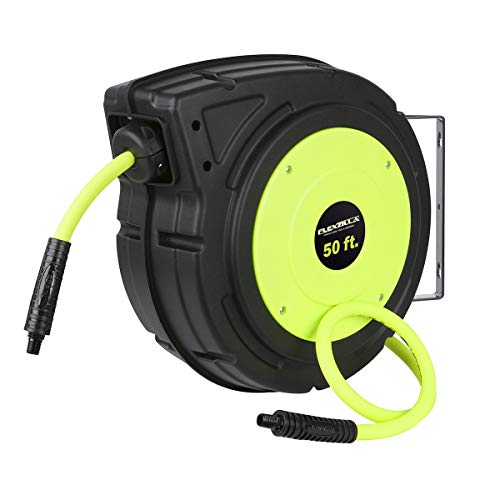
Prices change often; the button shows today's price on Amazon.
Both ways to buy: Amazon and direct from Grizzly
Each card shows an Amazon pick and a Grizzly Industrial pick for the same job, with one line on when to choose which.
20-gallon quiet compressor
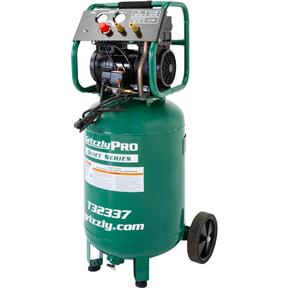
Both are oil-free, quiet-series 20-gallon compressors, so they are tolerable in an attached garage. Pick on the sale, the warranty path and the noise rating you can live with.
Prices change often and Grizzly runs sales, so the buttons show current prices.
CFM at 90 PSI, not horsepower
The number that matters is the cubic feet per minute a compressor delivers at 90 PSI. Tank size only sets how long a burst lasts; peak horsepower on a box is a marketing figure. A rough rule of thumb for piston compressors is about 4 CFM per running horsepower. Intermittent tools such as impact wrenches and nailers only need the tank to cover the burst. Continuous tools such as sanders, die grinders and spray guns set the pump size, and they are why a body shop wants a 60 gallon, 240V machine.
120V or 240V
A 15 A household circuit supports a compressor in the 2 HP class, about 5 to 6 CFM at 90 PSI. Beyond that you need 240V. The full auto shop page works the largest realistic tool mix; the nailer page shows how small a trim carpenter can go. Quiet oil-free models trade some durability for a noise level that is tolerable in an attached garage.
Get the garage shop planning checklist
One printable page: measure the bay, count the circuits, list the machines, check the floor. Plus a few short emails, then a couple a month at most.
Unsubscribe anytime. You can also just read the checklist on this site.More garage shop calculators
- Layout and what fits
- Space left with a car
- Workshop amps and subpanel
- 240V circuit sizing
- 240V outlet install cost
- Voltage drop and cords
- Dust collector and duct size
- Garage heater BTU
- Mini-split BTU
- Shop lighting
- Air filtration ACH
- Workbench height and depth
- Workbench size for a garage
- Mobile base sizing
- Shop budget planner
Frequently asked questions
What size air compressor do I need for an impact wrench?
A 1/2 in impact wrench draws about 4 CFM at 90 PSI while it is running, but it only runs in short bursts, so an intermittent duty factor of about 25 percent applies. A 20 gallon, 120V compressor in the 5 CFM class is the usual choice for wheel and suspension work.
How big a compressor to run a sander?
A dual-action sander runs continuously at about 6 CFM at 90 PSI. With the 30 percent margin that is about 8 CFM, which is a 60 gallon, 240V compressor, not a small pancake unit.
Do the CFM figures come from your testing?
No. They are typical published tool consumption values at 90 PSI. Use the rating plate on your tool.
This page is researched guidance, not professional electrical, engineering or safety advice. Circuits, loads and clearances depend on your house, your service and your town: have a licensed electrician confirm any wiring, and check local code and each manufacturer's manual before you act.
