
Calculator
Park-the-Car Calculator
A 16 ft sedan in a 12 x 20 ft one-car bay leaves 3 ft behind the front bumper, enough for an 18 in deep shelf or a bandsaw, not a bench you can stand at. In a 22 x 22 two-car garage the same sedan leaves 5 ft behind the nose and an entire second bay free. The calculator measures the car against the clear interior and reports what each leftover strip can hold.
Space left with a carUpdates as you type
Behind the nose: 3 ft 0 in. A 24 in bench does not fit
- Interior
- 12 x 20 ft, lane width 12 ft 0 in
- Vehicle
- 16 ft long, 6.2 ft wide, parked 12 in from the door
- Clear behind the front bumper
- 3 ft 0 in
- Deepest shelf or machine behind the nose
- 18 in (keeps 18 in of walking gap)
- Gap each side of the vehicle
- 2 ft 11 in (door-open room needs about 30 in)
- Deepest wall unit beside the vehicle
- 4 in
- Floor in the other bays
- none, the car has the only bay
- A 24 in bench with a 30 in aisle
- does not fit with this vehicle inside
Vehicle sizes are typical lengths, not your exact car: measure bumper to bumper. Garage interiors are usually a few inches smaller than the builder slab size.
Storage that fits the leftover strips
Matched to this result.


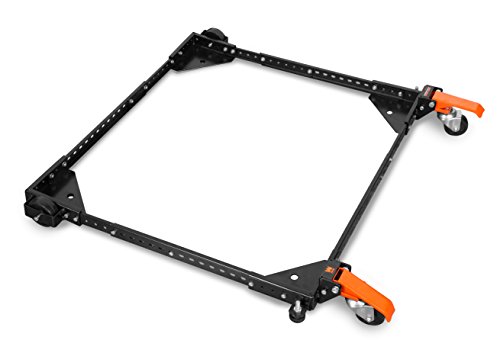
Prices change often; the button shows today's price on Amazon.
Both ways to buy: Amazon and direct from Grizzly
Each card shows an Amazon pick and a Grizzly Industrial pick for the same job, with one line on when to choose which.
4 ft adjustable workbench

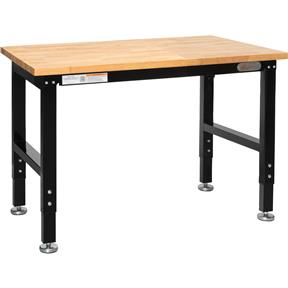
Pick the Amazon bench for the lowest entry cost; pick the Grizzly bench if you want outlets built into the bench and a direct parts line.
Top tool chest

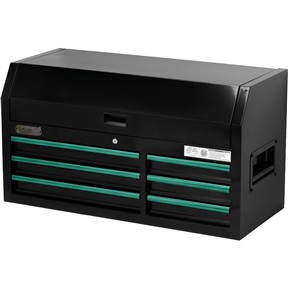
Pick the Amazon cart if you want one rolling unit; pick the Grizzly 42 in top chest if it will sit on a bench or on the matching roller cabinet.
Prices change often and Grizzly runs sales, so the buttons show current prices.
What the strips beside and behind a car can hold
The car is parked 12 in from the overhead door, nose toward the back wall. What is left is a strip behind the front bumper and a gap down each side. The gap beside the car must stay at least 30 in for the doors to open, so on a one-car bay the side gaps (about 35 in each) are a walkway, not storage. The strip behind the nose, minus 18 in of walking room, is the real shop space: it is where a bench or a bandsaw goes.
What changes with a truck or SUV
A crew-cab truck is about 21 ft long and 6.7 ft wide: in a 20 ft deep garage it does not fit at all with the door closed, and in a 22 ft deep one it leaves nothing behind the nose. Measure your own bumper to bumper before you plan anything else. The 24 x 24 mixed layout is drawn with a sedan, but at 24 ft deep it is the shallowest garage in our data that leaves any room behind a crew-cab truck.
Get the garage shop planning checklist
One printable page: measure the bay, count the circuits, list the machines, check the floor. Plus a few short emails, then a couple a month at most.
Unsubscribe anytime. You can also just read the checklist on this site.More garage shop calculators
- Layout and what fits
- Workshop amps and subpanel
- 240V circuit sizing
- 240V outlet install cost
- Voltage drop and cords
- Compressor CFM
- Dust collector and duct size
- Garage heater BTU
- Mini-split BTU
- Shop lighting
- Air filtration ACH
- Workbench height and depth
- Workbench size for a garage
- Mobile base sizing
- Shop budget planner
Frequently asked questions
How much room do I need beside the car?
Plan about 30 in on each side for the doors to open fully. Less than that and you will dent the car or the machine. The calculator subtracts it before reporting how deep a wall unit can be.
Can I put a workbench in front of the car?
Only if there is room: a 24 in bench needs the 24 in plus an 18 in walking gap beyond the bumper. In a 12 x 20 ft garage with a sedan there is not, in a 22 x 22 ft garage there is.
Where do I park a long truck and still have a shop?
In a two- or three-car bay with the truck in one lane and the machines in another. A single bay under about 22 ft deep has no room left over for a crew-cab truck.
This page is researched guidance, not professional electrical, engineering or safety advice. Circuits, loads and clearances depend on your house, your service and your town: have a licensed electrician confirm any wiring, and check local code and each manufacturer's manual before you act.
