
Calculator
240V Circuit Calculator
A 3 HP single-phase motor draws 17 A at 230V (NEC Table 430.248). The conductor must carry 125 percent of that, 21.3 A, so the breaker is 25 A and the wire is 10 AWG copper for runs up to about 150 ft with under 3 percent drop. Put the same motor on 120V and it draws 34 A: it needs 240V.
240V circuit sizingUpdates as you type
25 A breaker, 10 AWG copper, NEMA 6-30R
- Full-load current (NEC 430.248)
- 17 A at 240 V
- Minimum conductor ampacity (125 percent)
- 21.3 A
- Breaker
- 25 A
- Wire
- 10 AWG copper
- Voltage drop over 40 ft
- 1.7 V, 0.7 percent (limit 3 percent)
- Receptacle
- NEMA 6-30R
Sources in plain text: NEC Table 430.248, NEC 430.22, NEC Table 310.16 (60 C column), NEC Chapter 9 Table 8. Breaker sizing here is the conservative choice; the code allows a larger breaker for motor starting. Have a licensed electrician confirm before you wire anything.
Receptacles, wire and testers
Matched to this result.
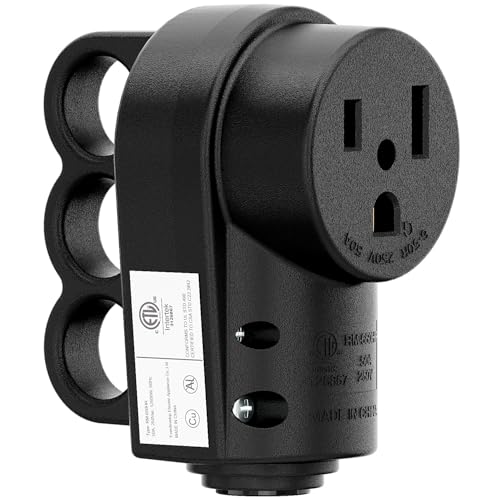


Prices change often; the button shows today's price on Amazon.
Both ways to buy: Amazon and direct from Grizzly
Each card shows an Amazon pick and a Grizzly Industrial pick for the same job, with one line on when to choose which.
3 HP cabinet table saw

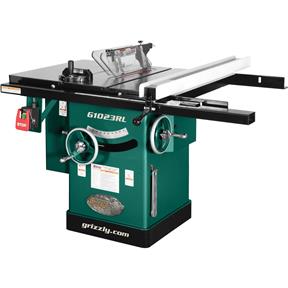
The 3 HP cabinet saw needs a 240V circuit. The Amazon pick is the nearest contractor-class alternative; check its listing for voltage, since the saving is only real if it runs on a circuit you already have.
3 HP cyclone collector (240V)
AmazonNo comparable Amazon item in our catalog
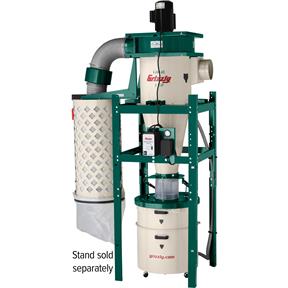
Nothing on Amazon in our catalog matches a 3 HP, 1654 CFM cyclone, so this one is Grizzly-direct only. It needs a 240V circuit and about 400 lb of freight.
Thickness planer

The Amazon pick is a benchtop 13 in planer on 120V; the Grizzly G1021Z is a 15 in, 3 HP planer on a cabinet stand and a bigger step up in floor space and circuit.
Prices change often and Grizzly runs sales, so the buttons show current prices.
The three steps behind the answer
First the motor's full-load current comes from NEC Table 430.248, not from the nameplate horsepower. Second the branch-circuit conductor must carry 125 percent of that current (NEC 430.22), and the breaker is the next standard size at or above it. Third the wire gauge is chosen from NEC Table 310.16's 60 C copper column, never smaller than the breaker needs, then upsized until the voltage drop over your run falls under 3 percent. The receptacle follows the breaker: a 6-30R at 30 A, a 6-50R at 50 A.
The code allows a larger breaker than we show to ride through a motor's starting current. We size conservatively so the wire is never the weak link.
When 240V is worth it
The same 3 HP motor draws 17 A at 240V and 34 A at 115V. Half the current means thinner wire, less voltage drop and a smaller breaker. If you are buying a machine over about 2 HP, plan the 240V circuit first. For the wire runs see the voltage drop calculator, and for what it costs to install the install cost calculator.
Get the garage shop planning checklist
One printable page: measure the bay, count the circuits, list the machines, check the floor. Plus a few short emails, then a couple a month at most.
Unsubscribe anytime. You can also just read the checklist on this site.More garage shop calculators
- Layout and what fits
- Space left with a car
- Workshop amps and subpanel
- 240V outlet install cost
- Voltage drop and cords
- Compressor CFM
- Dust collector and duct size
- Garage heater BTU
- Mini-split BTU
- Shop lighting
- Air filtration ACH
- Workbench height and depth
- Workbench size for a garage
- Mobile base sizing
- Shop budget planner
Sources
- NEC Table 430.248; NEC 430.22; NEC 240.4(D); NEC Table 310.16 (60 C column); NEC Chapter 9 Table 8
Frequently asked questions
What wire for a 30 amp 240V circuit?
10 AWG copper is rated 30 A on the 60 C column of NEC Table 310.16, with the 240.4(D) limit applied. Long runs may need 8 AWG to stay under 3 percent voltage drop. A licensed electrician confirms the actual wire for your install.
Can I use a 14-50 outlet for a shop machine?
A 14-50R adds a neutral for 120V loads and suits ranges, RVs and EV chargers. A motor-only machine needs just two hots and a ground: a 6-30R or 6-50R is the usual match. Use the receptacle the machine's plug fits.
Is this calculator a code compliance tool?
No. It applies published NEC tables to produce planning sizes. Local amendments, conduit fill, ambient temperature and terminal ratings can change the answer. Have a licensed electrician confirm and pull any permit.
This page is researched guidance, not professional electrical, engineering or safety advice. Circuits, loads and clearances depend on your house, your service and your town: have a licensed electrician confirm any wiring, and check local code and each manufacturer's manual before you act.
